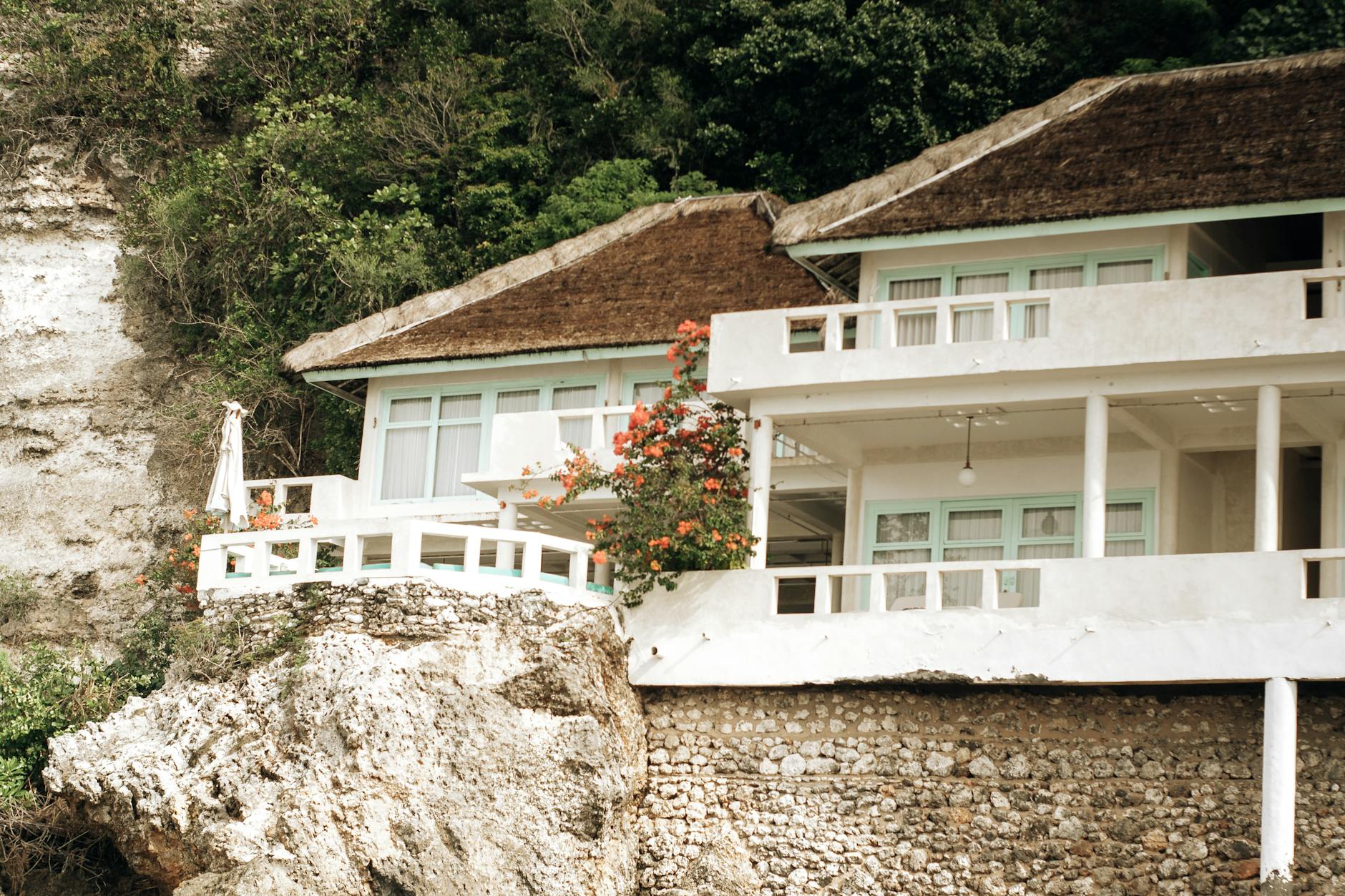
The Getty Villa Aesthetic: Where Ancient History Meets Pacific Views
The Getty Villa aesthetic is a unique blend of timeless antiquity and breathtaking natural beauty, creating an experience that is as visually captivating as it is culturally enriching. Nestled along the rugged coastline of the Pacific, this museum and educational center dedicated to the art and cultures of ancient Greece, Rome, and Etruria offers visitors more than just artifacts—it offers an immersive journey into a world where classical history harmonizes seamlessly with the stunning California landscape.
A Setting Steeped in Classical Elegance
At the heart of the Getty Villa aesthetic is its extraordinary architecture, meticulously inspired by the Villa dei Papiri, a Roman country house in Herculaneum that was buried by the eruption of Mount Vesuvius in 79 AD. This historical homage is evident in the intricate details of the Villa’s design—from its grand peristyles and serene gardens to its frescoed walls and marble sculptures. This commitment to authenticity allows visitors to feel as though they have stepped back in time to the height of Roman aristocracy.
The layout of the Getty Villa invites slow, contemplative exploration. Symmetrical gardens filled with lavender, cypress, and olive trees recall ancient Mediterranean landscapes. Tranquil pools and fountains not only serve as focal points but also provide a soothing soundtrack of flowing water, enhancing the site’s ambiance. The use of natural materials—limestone, terracotta, and frescoes—further connects the space to its ancient inspirations.
Merging Ancient Art with Pacific Vistas
What truly sets the Getty Villa apart is its breathtaking location overlooking the Pacific Ocean. The panoramic views of the coastline provide a dramatic contrast to the classical art and architecture, merging two seemingly different worlds into a harmonious whole. The juxtaposition of ancient Roman sculptures against the ever-changing sea inspires reflection on the enduring nature of human creativity and the passage of time.
This fusion of history and natural beauty embodies the essence of the Villa’s aesthetic identity. Whether visitors are strolling through the lush gardens, admiring intricately carved statues, or pausing at the edge of the terraced grounds to gaze at the vast blue ocean, the experience is both grounding and uplifting.
Curated Spaces: Art and Environment in Dialogue
The Getty Villa aesthetic doesn’t stop at architecture and location—it extends into the curation of its collections and exhibitions. Artifacts are thoughtfully displayed in settings that enhance their historical context, often surrounded by architectural elements inspired by the classical world, such as columns, niches, and mosaics.
The sculpture garden, for example, showcases statues not just as isolated pieces but as integral components of the landscape, inviting visitors to consider their form and function as both art objects and historical artifacts. Many exhibits incorporate natural light and are positioned to create dynamic shadow play, reflecting the ways ancient Romans might have experienced these works.
Educational Experience Rooted in Immersion
The immersive nature of the Getty Villa’s design naturally supports its educational mission. Visitors learn not only from the artifacts themselves but also through the spatial storytelling embedded in the site’s layout. Workshops, lectures, and guided tours leverage the environment to deepen understanding of classical antiquity’s cultural, social, and artistic achievements.
Interactive programs encourage hands-on learning, from ancient pottery-making techniques to the symbolism behind particular frescoes. By engaging multiple senses and emotions, the Getty Villa aesthetic creates a more profound, lasting connection with the ancient world.
Why the Getty Villa Aesthetic Matters Today
In an era where digital media often dominates how we consume history, the Getty Villa’s tactile, sensory approach offers a refreshing alternative. Its aesthetic nurtures a slower pace, encouraging visitors to pause and ponder the legacies of civilizations long gone, while simultaneously appreciating the beauty of the present moment through the Pacific views.
Moreover, the Villa’s design promotes sustainability and harmony with its environment. Its gardens use drought-tolerant plants native to Mediterranean climates, and its preservation of natural terrain foregrounds a respect for the land that aligns with many ancient philosophies.
Conclusion
The Getty Villa aesthetic is much more than a visual style—it is a holistic experience where ancient history is brought to life amid the stunning backdrop of the Pacific Ocean. Through architectural authenticity, thoughtful curation, and a dialogue between art and nature, the Villa invites visitors to explore the richness of classical antiquity while basking in the beauty of Southern California’s coastline. This intersection of past and present creates an enduring cultural landmark where education and inspiration flow as freely as the ocean breeze.