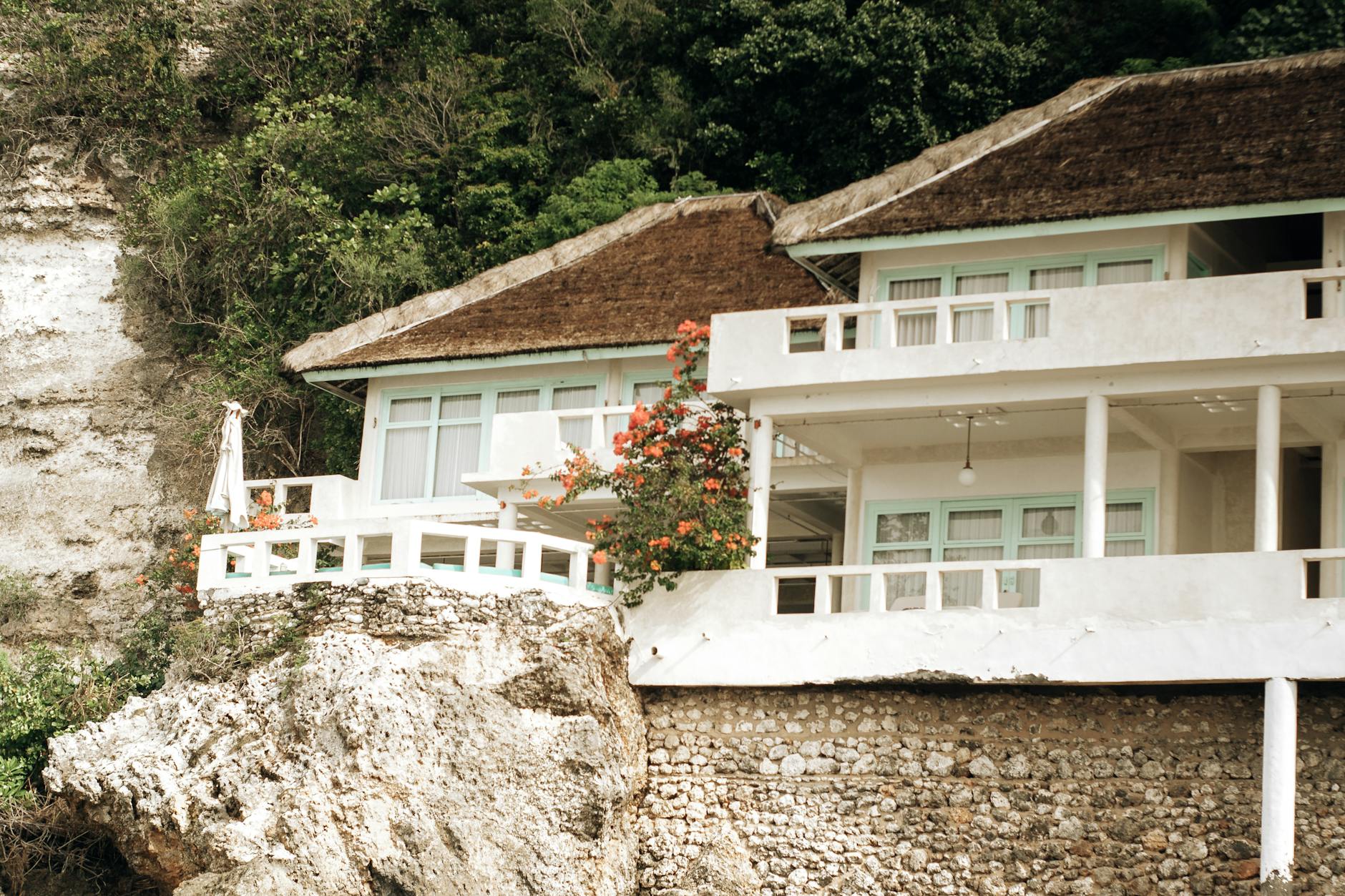
Framing the Past: Capturing the Mediterranean Beauty of Malibu
Malibu, with its sun-kissed beaches, rugged cliffs, and serene coastal charm, is often described as a slice of Mediterranean paradise tucked away on the California coast. Framing the past becomes an essential part of appreciating Malibu’s rich history and stunning landscape, as this enchanting city effortlessly blends vintage allure with natural beauty. Whether you’re an artist, a photographer, or simply a lover of scenic vistas, capturing the Mediterranean beauty of Malibu is about more than just natural aesthetics—it’s about connecting with the stories and heritage that shape this unique coastal community.
The Mediterranean Influence on Malibu’s Landscape
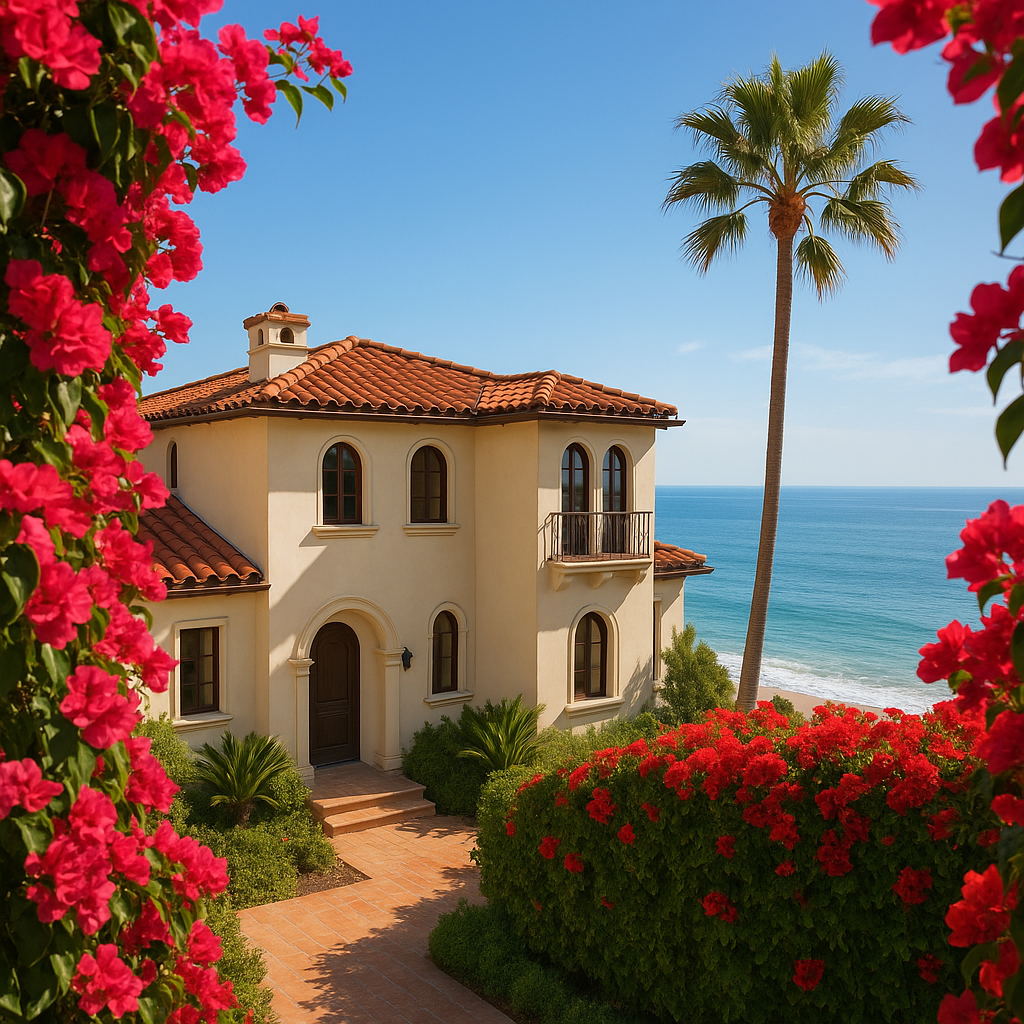
To truly understand Malibu’s appeal, one must explore its Mediterranean-inspired landscape. The region’s climate—characterized by warm, dry summers and mild, wet winters—mirrors that of Mediterranean hotspots like southern Spain, Italy, and Greece. This climate fosters a distinct ecosystem consisting of coastal sage scrub, rolling hills dotted with olive trees, and flourishing vineyards.
Early settlers and developers drew heavily from Mediterranean architecture, reinforcing the idea that Malibu was a California homage to the Old World’s coastal charm. Spanish colonial revival homes, terracotta roofs, arched doorways, and stucco walls dot the city, contributing to its tranquil, sun-drenched atmosphere. Capturing these stylistic details alongside the natural scenery offers a vivid portrayal of the region’s seamless blend of past and present.
Framing the Past through Photography
Photography is one of the most powerful ways to frame the past and preserve Malibu’s Mediterranean beauty. The play of golden hour light against the jagged cliffs and pastel-hued homes offers a photographer endless opportunities to tell stories without words. When shooting in Malibu, look beyond the iconic beaches—such as Zuma or El Matador—and explore the quieter, less discovered areas like Malibu Creek State Park or the historic Adamson House.
Historical landmarks serve as excellent subjects for evoking nostalgia. The Adamson House, for instance, is an exquisite example of Spanish Revival architecture nestled among lush gardens and ocean views. Capturing these alongside native flora and rugged coastline helps frame Malibu as both a living embodiment of Mediterranean style and a guardian of California’s cultural heritage.
Artistic Interpretations: Painting the Mediterranean Beauty
Artists who set out to capture Malibu’s Mediterranean essence often focus on light and atmosphere. The city’s clear, expansive skies and rich palette of colors—from soft pastels during sunrise to fiery sunsets—make it an exceptional muse. Watercolors and oils can effectively depict the hazy layers of hills and shimmering ocean viewed from Malibu’s various vantage points.
Painting the past in Malibu also involves interpreting its cultural mosaic. Malibu was originally home to the Chumash people, whose history is interwoven with the coastal environment. Incorporating indigenous motifs or referencing historic sites in art helps frame the past while celebrating the ongoing relationship between people and place.
Why Preserving Malibu’s Mediterranean Charm Matters
As urban development continues to surge along the California coast, preserving Malibu’s distinctive character becomes increasingly vital. The city’s Mediterranean beauty isn’t just a backdrop for leisurely lifestyles—it’s a living history lesson combining nature, architecture, and culture. By framing the past in our creative endeavors, we remind ourselves of the value this heritage holds.
Community efforts to protect open spaces, restore historical buildings, and maintain the architectural style ensure future generations can continue to experience the same charm. Artists, photographers, and writers play a pivotal role in this preservation by documenting and interpreting Malibu’s evolving story through their work.
Tips for Capturing the Mediterranean Beauty of Malibu
- Time Your Visit: Early mornings and late afternoons offer the softest lighting, ideal for emphasizing Malibu’s warm hues and intricate textures.
- Explore Lesser-Known Spots: While the famed Malibu Pier and beaches are popular, consider visiting old ranches, vineyards, and trails to discover unique perspectives.
- Include Historical Elements: Architectural features, native plants, and cultural landmarks enrich your compositions and connect the visual to Malibu’s heritage.
- Use Natural Frames: Driftwood, arching palm fronds, and coastal arches can serve as natural frames within your shots or paintings, enhancing depth and focus.
- Storytelling Approach: Each image or work of art should tell a story—be it a day in the life on the coast or a reflection on the region’s past and preservation efforts.
Conclusion
Framing the past in Malibu is much more than capturing pretty views; it is about honoring a Mediterranean-inspired legacy carved into the California coast. From its distinct architecture and historical narratives to its natural scenic beauty, Malibu invites us to pause, observe, and reflect. Whether through a camera lens or the strokes of a brush, capturing this harmonious blend allows the spirit of Malibu’s past and present to shine through—preserving a timeless beauty for generations to come.